Archive of posts with category 'distributed systems'

A Brilliant Hack: Why does Layer 2/3 Checksum use 1’s Complement, Not 2’s
One's complement sums are endianness-independent, so routers verify checksums without ntohs and htons swaps; receivers simply check for all ones.
System Design Interview: Scaling Single Server
Scaling past one server: stateless API servers, sharded memory caches, consistent hashing, Raft or Paxos replication, and DNS to balance load balancers.

A Primer on Secure Communication Channels
Why clear text, symmetric keys, and raw public keys fail, how PKI and certificate authorities solve key distribution, and what a compromised CA breaks.
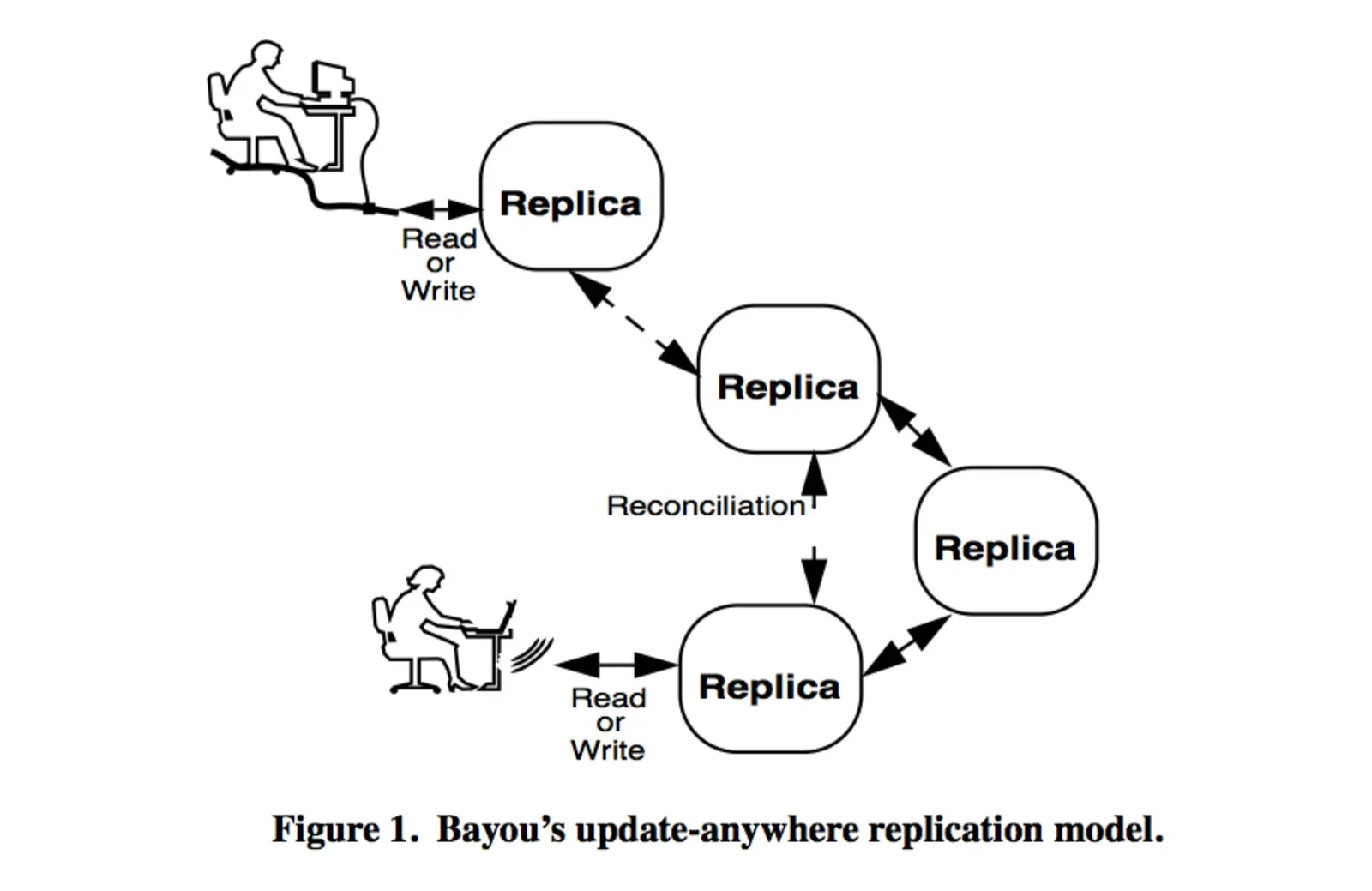
Git as Version Vector
Branches as concurrent updates: happened-before causality, why Lamport clocks can't detect concurrent commits, and how vector clocks reveal when to merge.

Sloppy Quorum And Eventual Consistency
Choosing availability over consistency: NWR quorums where W + R exceeds N keep reads fresh; smaller ones give eventual consistency, measured by t-visibility.

Reliable & Consistent Service: Linearizable RPC and Replicated State Machine
Why at-least-once RPC with idempotent operations isn't linearizable, how a reply cache gives exactly-once semantics, and why it must survive failover.
 Never miss a story from me, subscribe to my newsletter